
Newsletter Article
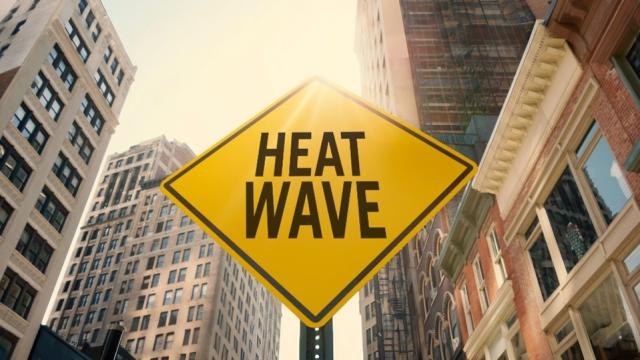
Average temperatures are on the rise across the country, and heat waves are occurring more often and lasting longer. With careful preparation, you can protect your business and your staff.
Average temperatures have been rising across the U.S. in recent years. In fact, the 10 warmest years on record have all occurred in the 21st century, according to National Oceanic and Atmospheric Administration data. Also, in recent decades, heat waves have become longer and occur more often, and they are projected to get worse, affecting more of the country and becoming more severe.
A heat wave is a prolonged period (often days or weeks) of excessively high temperatures that are above average for the region and time of year. These extreme weather events can negatively impact your business operations and threaten the health and safety of your employees. Having a plan in place to mitigate your risks is not only the right thing to do, but it also makes good business sense. Here's what you should do to protect your business and your employees from extreme heat.
Prepare your facilities
- Make sure your air conditioning is properly inspected and maintained so it works well when you need it most.
- Ensure that windows and exterior doors are properly sealed to keep cool air inside.
- Cover windows that receive afternoon sun with drapes, shades or awnings.
- For outdoor workers, set up a shade or cooling area with plenty of drinking water available.
- Inspect and test your backup power system in case of a power outage. Also, have a backup cooling plan in place in case of system failure.
- Sign up for LADWP outage alerts at www.LADWP.com. Visit Power Outage Alerts for details on subscribing.
Understand the signs of heat-related illnesses
Heat-related illnesses can impact employee health and even be life-threatening. It's critical to understand the different types of heat-related illness, know the signs and what to do.
- Heat cramps are muscle pains or spasms that occur due to loss of fluids and electrolytes. They are often an early sign that the body is affected by heat.
- Heat exhaustion can occur after long-term exposure to high temperatures or inadequate fluid intake. Signs include heavy sweating, headache, nausea and dizziness. Provide the victim with cool beverages and rest in a shady or air-conditioned environment.
- Heat stroke is a life-threatening condition. Common signs include hot, dry skin, high body temperature, severe headache, dizziness and confusion. If you see any of these signs, seek medical assistance immediately.
Educate your entire staff to recognize heat-related illnesses and how to respond.
Stay informed
Monitor heat advisories or warnings in your area using the U.S. National Weather Service database.
- Heat advisories are issued when high temperatures and humidity create dangerous conditions that can lead to heat-related illnesses.
- Heat warnings are more severe alerts indicating that dangerously high temperatures pose an imminent risk of life-threatening conditions.
If an alert is issued, take steps immediately to protect employees and everyone in and around your facility from excessive heat.
Protect your employees
If your employees work outdoors, adjust their work schedules so they can take frequent breaks in shaded areas or air-conditioned spaces. Postpone non-essential tasks, especially those involving strenuous activities. Allow employees to wear light, loose-fitting clothing and make sure they drink plenty of fluid.
Excessive outdoor heat can impact Indoor workers as well, especially those in hot areas such as kitchens, warehouses and factory floors. Make sure these areas are well-ventilated and properly air-conditioned. Encourage employees in these areas to take frequent breaks, wear appropriate clothing and make sure they have access to fluids.
By planning ahead, you'll be ready to protect your staff and reduce the risks to your business when the next heat wave arrives.
July 2026 Empowering Small Business
LADWP's monthly Empowering Small Business Newsletter helps inform industry-specific small business customers about LADWP news, conservation programs and ways to save on their bill.
Full Newsletter