
Newsletter Article
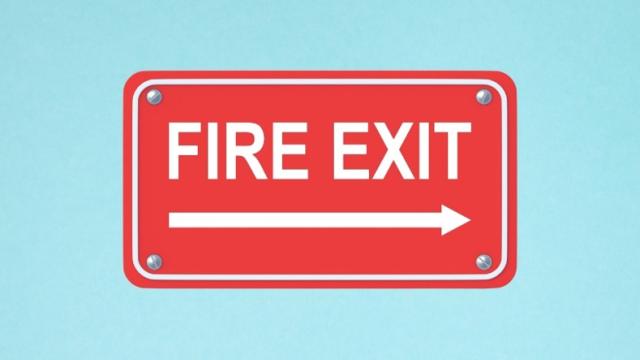
There are an estimated 110,000 commercial building fires each year, according to the U.S. Fire Administration (USFA), causing hundreds of injuries and deaths and over $3 billion in damage. To ensure safety, everyone must know what to do in case of a fire. That requires planning and preparation.
Developing a plan: 5 key elements
A fire emergency evacuation plan outlines procedures for safely evacuating the building during a fire. Although every building and business is different, the following five elements should be part of any evacuation plan:
- Escape routes. Locate all possible escape routes. Keep them clear of obstructions and clearly marked with signage.
- Assembly point. Establish a safe assembly point away from the building where everyone can gather and be accounted for.
- Communication procedures. Implement a reliable way to alert everyone of a fire, such as alarms, lights or announcements.
- Established roles. Assign responsibilities, such as emergency leaders, first aiders and those responsible for contacting emergency services.
- Documentation and review. Keep the plan readily available and up to date. Regularly review the plan and modify it to reflect changes in building layout, operational procedures and other factors.
Training is critical. Make sure all employees understand the plan and their roles, and conduct regular drills to practice the evacuation procedure. For more information, see Evacuation Plans and Procedures from the U.S. Occupational Safety and Health Administration.
Fire prevention best practices
While evacuation planning is critical, it’s important to prevent fires from happening in the first place. Three of the leading causes of commercial building fires are cooking, space heating and electrical malfunctions, according to the USFA. Use these tips to reduce your risk of fire:
- Avoid overloading electrical outlets. It may draw more electricity than the circuit can handle, causing overheating.
- Check regularly for damaged outlets, cords and cables.
- Never use extension cords on a permanent basis. Permanent use can cause the cord to exceed its power capacity, leading to overheating, melting and potential fire.
- Never place anything that can burn near powered equipment.
- Make sure that powered portable space heaters are never left unattended.
- If you keep fuel, chemicals, solvents or other combustible materials onsite, follow proper storage practices to ensure that they won't cause or intensify a fire.
- Regularly clean kitchen grease traps, hoods and ducts to prevent grease accumulation.
- The kitchen exhaust system should be inspected and cleaned by professionals to ensure it is free of blockages and grease buildup.
- Regularly service and maintain cooking appliances to ensure they are in good working condition.
- Make sure fire extinguishers are regularly tested and maintained and easily accessible.
See Workplace Fire Safety from the USFA for information about how to reduce the risk of fire in your facility.
October 2026 Empowering Small Business
LADWP's monthly Empowering Small Business Newsletter helps inform industry-specific small business customers about LADWP news, conservation programs and ways to save on their bill.
Full Newsletter